


What Is Hot Rolled Pickled Oiled Coil?
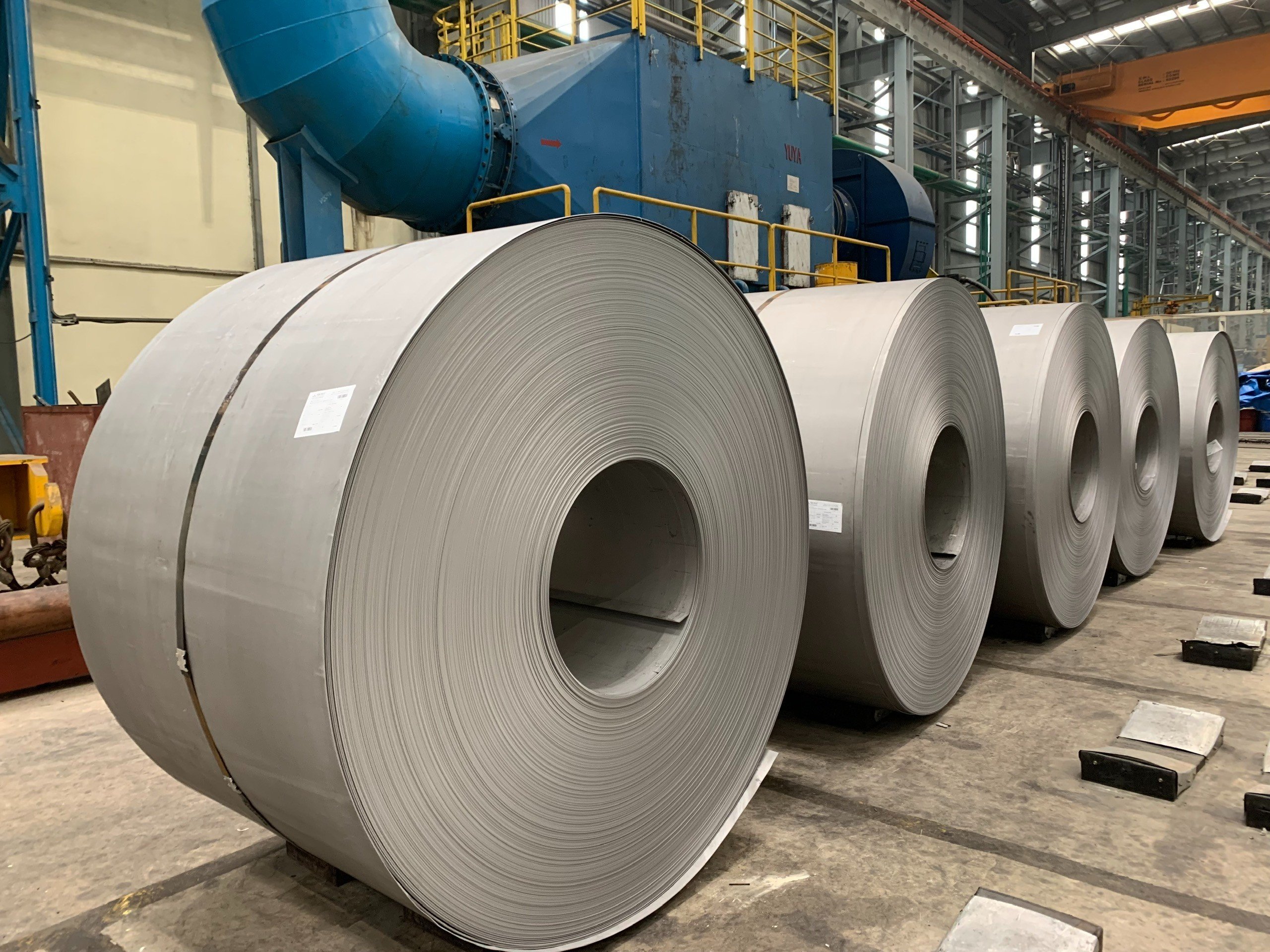
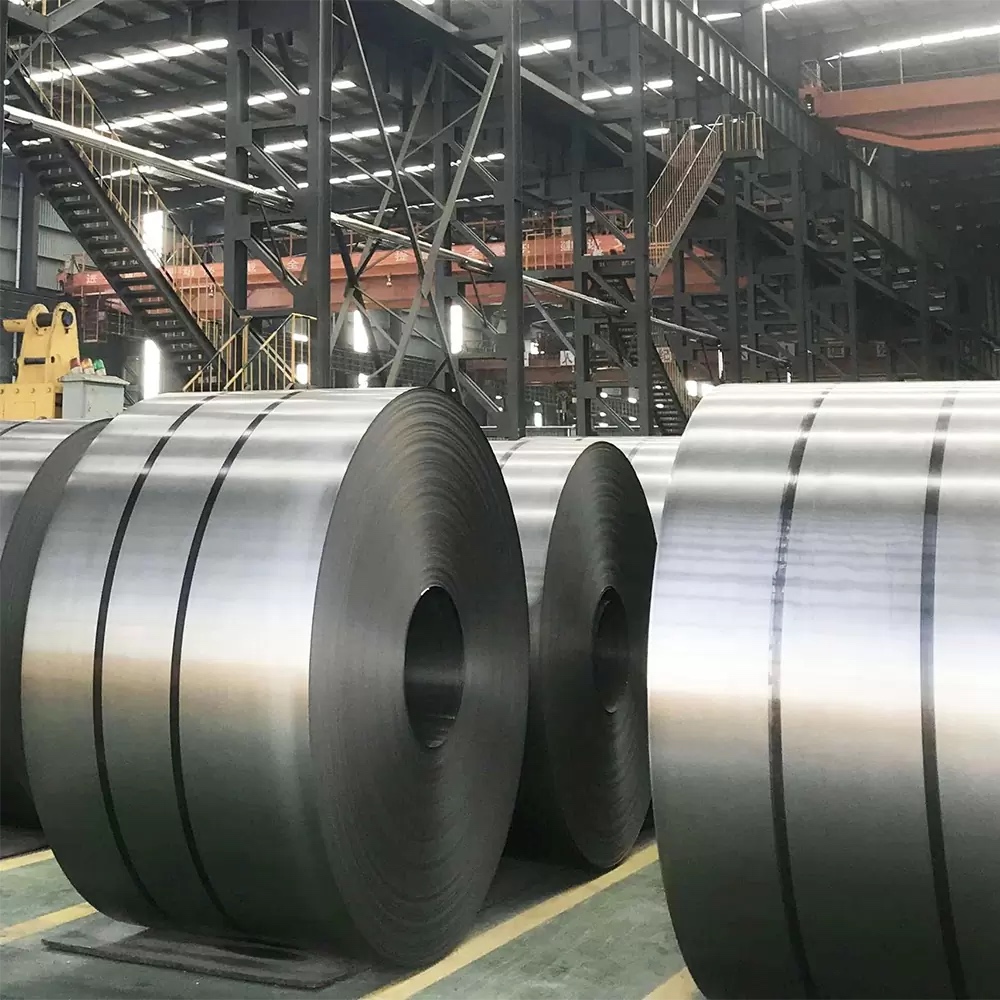
Standard HRPO steel coil usually has mill scale on the surface. In HRPO, the steel is acid-cleaned to remove that scale, then lightly oiled for protection. This produces a cleaner and more uniform surface, which is useful for fabrication, laser cutting, forming, and painting preparation.
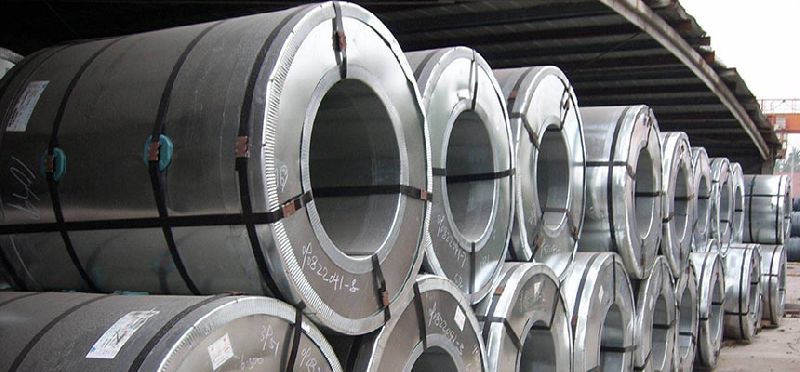
HRPO steel coil specification:
| Product name | Hot Rolled Pickled and Oiled Coil (HRPO) |
| Thickness range | 1.60 – 6.00 mm |
| Width | 914 – 1600 mm |
| Standards | JIS G3131: SPHC / D / E / F; JIS A1001 JHSH270C / D / E; JIS G3101: SS330-540; ASTM A1011; EN 10149 / equivalent by mill |
| Surface treatment | Pickled and oiled |
| Surface condition | Cleaner than standard HRC, reduced mill scale |
| Application | Re-rolling, pipe making, cutting sheet, painting, stamping |
| MOQ | Subject to inquiry |
| Export documents | Mill test certificate and normal shipping documents by inquiry |
Why Buyers Choose HRPO Instead of Standard HRC
Surface Benefits
HRPO is typically selected when the buyer needs:
- Better surface cleanliness
- Reduced scale-related issues in processing
- Better welding and forming consistency
- Improved readiness for painting or coating
It does not replace CRC in applications that need very smooth cosmetic finish, but it can reduce processing steps in many industrial uses.
In today’s competitive industrial landscape, many manufacturers are shifting from standard hot rolled coil (HRC) to hot rolled pickled and oiled (HRPO) steel to achieve better surface performance without significantly increasing material costs. One of the main reasons buyers prefer HRPO Coil is its improved surface cleanliness. Through the pickling process, mill scale is removed, resulting in a cleaner and more uniform surface that is easier to process in downstream applications. This directly reduces scale-related issues such as tool wear, surface defects, and inconsistencies during fabrication.
Another key advantage highlighted in many HRPO steel coil specification requirements is enhanced welding and forming consistency. With fewer impurities and a more stable surface condition, HRPO steel allows for smoother bending, stamping, and welding processes, making it ideal for automotive parts, structural components, and general manufacturing. Additionally, HRPO provides better readiness for painting or coating, as the cleaned surface improves adhesion and reduces the need for extensive pre-treatment.
When comparing HRPO vs hot rolled coil, HRPO clearly offers a more refined surface while maintaining the strength and cost benefits of hot rolled steel. Although it does not replace cold rolled coil (CRC) in applications requiring a highly polished or cosmetic finish, HRPO significantly reduces additional processing steps in many industrial uses. This balance between performance, cost-efficiency, and processing convenience makes HRPO steel a preferred choice for buyers seeking optimized production outcomes.
Typical Specifications to Confirm
Grade Options
Common grade families may include:
- SAE1006 / SAE1008
- SS400
- S235 / S275 / S355
- Other commercial hot rolled grades depending on mill availability
Size Parameters
Buyers usually define:
- Thickness range
- Width
- Coil weight
- Edge condition
- Surface treatment expectation
Common Applications HRPO Coil
HRPO is commonly used for:
- Automotive parts
- General fabrication
- Shelving and racks
- Agricultural equipment
- Industrial cabinets
- Tube and profile production
- Components requiring cleaner welding surfaces
How to Buy HRPO Coil for Export
MOQ
Minimum order quantity depends on the origin, mill policy, and whether the order is stock-based or production-based. Buyers should clarify whether they need full-coil, slit-coil, or cut-to-length supply.
Lead Time
Lead time usually depends on:
- Mill schedule
- Grade availability
- Required width and thickness
- Export destination
- Packing and inspection requirements
Export Packing
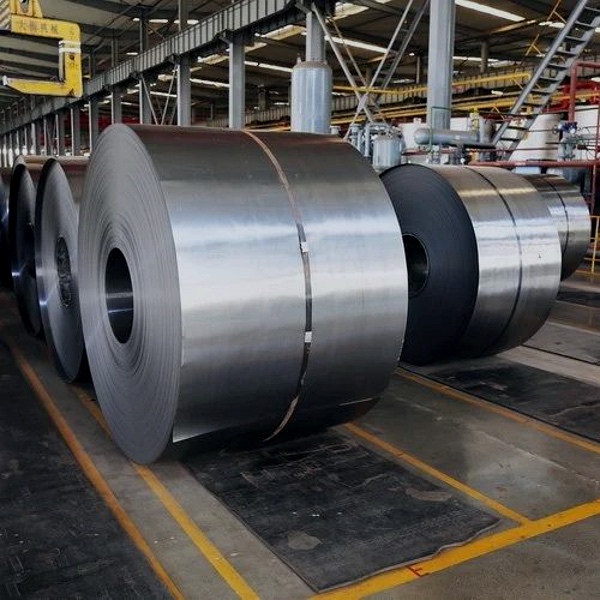
Typical export considerations include:
- Moisture protection
- Steel straps
- Edge protection
- Wooden skids if needed
- Container loading plan
- Marking by coil number and heat number
Advisory Points for Industrial Buyers
When comparing offers, do not evaluate only base price. Also compare:
- Surface consistency
- Oiling condition
- Rust prevention during transit
- Certificate package
- Packing suitability for sea freight
8. FAQ
FAQ 1: What does HRPO stand for?
HRPO stands for Hot Rolled Pickled and Oiled.
FAQ 2: Is HRPO better than HRC?
It is better for applications needing a cleaner surface, but not necessarily for every application. The right choice depends on processing and finish requirements.
FAQ 3: Can HRPO be used for painting?
Yes. Its cleaner surface can make downstream preparation easier than standard mill-scale hot rolled steel.
FAQ 4: What should buyers confirm before placing an HRPO order?
Grade, thickness, width, surface condition, oiling, packing method, lead time, and certificate requirements.
9. CTA cuối bài
If your project needs a cleaner hot rolled surface without moving fully to CRC, send PCJ your required grade, thickness, width, end-use, and destination port for a more suitable hot rolled pickled oiled recommendation.


