


What Is Pre-galvanized Hollow Pipe? Production Method, Standards, Applications & How to Choose the Right Option
What Is Pre-galvanized Hollow Pipe?
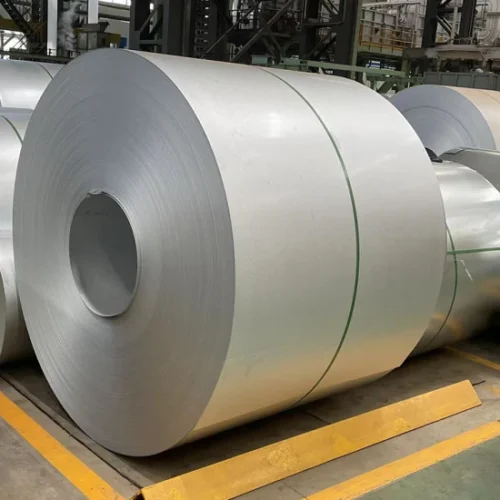
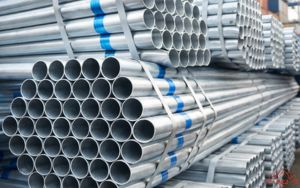
Pre-galvanized hollow pipe is a steel tube or hollow section manufactured from zinc-coated steel strip that is formed into round, square, or rectangular sections. In this production route, the steel strip is galvanized first, and then processed into pipe. As a result, the finished product typically has a clean, uniform, and commercially attractive surface appearance, which makes it popular for light fabrication and moderate-corrosion environments.
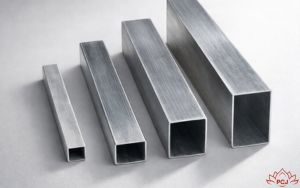
In practical B2B sourcing, pre-galvanized hollow pipe is often selected when buyers need a balance between appearance, cost control, and basic corrosion resistance. It is commonly used in applications where full heavy-duty post-fabrication galvanizing may not be necessary. Compared with hot-dip galvanized hollow sections, pre-galvanized products are usually more suitable for indoor or semi-protected use, especially in projects where production efficiency and cosmetic consistency matter.
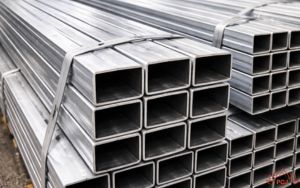
From a material perspective, the base steel used for this product is often mild steel or low carbon steel, because these materials offer good formability and weldability during pipe production. That is why buyers should not only ask for galvanized tube, but should also review the base material, coating requirement, and dimensional tolerance as part of the full specification.
| Product name | Pre-Galvanized Hollow Pipe |
| Shape | Square, rectangular, round, oval; custom work by drawing on inquiry |
| Standards | ASTM A500 Grade A; JIS G3466 STKR400 / 490; JIS G3444 STK290 / 400 / 500; AS/NZS 1163 C250 / C350 |
| Surface treatment | Pre-galvanized / chromated finish |
| Zinc coating (reference from supplied data) | Approx. 40 – 220 g/m² |
| Application | Residential use, industrial construction, purlin, door frame, window frame, fencing, railings |
| Special features | Very clean and dry finish, shiny surface, nice end cutting, easy to paint or powder coat |
| Packaging | Bundled for export by inquiry |
| MOQ | Subject to size and coating mix |
How Pre-galvanized Hollow Pipe Is Made
The manufacturing route is one of the key differences between pre-galvanized and hot-dip galvanized steel tube.
In pre-galvanized production, the manufacturer begins with zinc-coated steel strip or coil. This strip is then roll-formed into a pipe or hollow section and joined along the seam. Because the zinc coating is already present before forming, the finished pipe generally shows a continuous coated appearance over most of its surface.
However, buyers should understand an important technical point: the weld area and formed edges do not behave exactly the same as a product that is galvanized after fabrication. This affects coating continuity and long-term corrosion performance, especially in more demanding outdoor environments. For this reason, the production route must always be matched to the service environment.
Common Product Forms
Pre-galvanized hollow pipe is commonly available in several standard shapes:
RHS – Rectangular Hollow Section
RHS is often used in support frames, lightweight structures, furniture systems, partitions, and fabrication works where rectangular geometry is preferred.
SHS – Square Hollow Section
SHS is popular for frames, supports, racks, fencing, and light construction because of its balanced appearance and practical structural performance.
CHS – Circular Hollow Section
CHS is widely used in tube-based structures, handrails, fabrication assemblies, greenhouse systems, and general support applications.
Light-gauge galvanized steel tube
This category is frequently used for indoor fabrication, display systems, retail fixtures, shelving, and other non-heavy-duty industrial uses.
In many cases, the base steel behind these forms is low carbon steel, which provides the forming performance needed during manufacturing. Similar to other fabricated products made from mild steel, the final suitability depends on grade, thickness, coating, and end use.
Base Material: Mild Steel and Low Carbon Steel Context
Although the product is sold as galvanized hollow pipe, the base material is often a form of mild steel or low carbon steel. This matters because the steel’s chemistry and mechanical behavior affect manufacturing quality, weld seam integrity, and fabrication performance.
In broader steel sourcing, buyers often compare galvanized hollow pipe with other mild steel products such as structural tube, sheet, coil, and even mild steel plate. While mild steel plate is used for base plates, supports, and fabrication components, hollow pipe is typically chosen where lighter weight, easier assembly, and hollow-section efficiency are preferred.
When reviewing the material, customers may also need to check the mild steel specification of the base strip. Even though the final product is coated, the underlying steel still determines workability, weld performance, and application suitability. In some projects, different Mild Steel Grades may be relevant depending on strength expectations, fabrication requirements, and local market standards.
Typical Applications of Pre-galvanized Hollow Pipe
Pre-galvanized hollow pipe is commonly used in applications where moderate corrosion resistance is acceptable and where clean surface appearance is valued. Typical uses include:
-
Furniture frames
-
Storage and display systems
-
Greenhouse structures
-
Indoor support structures
-
Retail fixtures
-
Fabrication assemblies
-
Fencing systems
-
Light construction supports
-
Equipment frames
-
Decorative and utility metalwork
This product is especially suitable when the service environment is relatively controlled. For indoor projects, dry environments, or light exterior exposure, pre-galvanized pipe can offer a practical and cost-efficient solution.
Key Buying Points for Buyers
When sourcing pre-galvanized hollow pipe, buyers should review more than size alone. A proper specification review helps avoid performance mismatches and quality issues later.
1. Base steel standard
The buyer should confirm the applicable standard for the base steel. This is important because mechanical properties and forming performance may vary. As with any mild steel specification, the underlying material should match the fabrication and structural requirement.
2. Zinc coating expectation
Not all galvanized products have the same coating performance. Buyers should confirm expected coating thickness, appearance, and intended use environment.
3. Size and thickness
The correct outside dimension, wall thickness, and length tolerance should be clearly stated. This affects structural use, fabrication efficiency, and installation compatibility.
4. Weld seam quality
Because the product is formed from coated strip, seam quality remains a critical factor. Buyers should check weld consistency, seam finish, and suitability for downstream processing.
5. Surface appearance
One of the commercial advantages of pre-galvanized pipe is visual consistency. Buyers should still confirm whether the project requires cosmetic-grade surface appearance or only general industrial finish.
6. End finish and length tolerance
Square cut ends, burr control, and length accuracy matter for fabrication, resale, and project supply.
Pre-galvanized vs Hot-dip Galvanized
The most common buying question is whether to choose pre-galvanized hollow pipe or hot-dip galvanized hollow section. The answer depends on service conditions and project goals.
Choose pre-galvanized when:
-
Budget sensitivity matters
-
Corrosion exposure is moderate
-
Cosmetic consistency is important
-
Light fabrication is the main use
-
Indoor or semi-protected installation is expected
Choose hot-dip galvanized when:
-
Outdoor durability is critical
-
Heavier zinc coating is required
-
Cut edges and fabricated surfaces need stronger protection
-
The project has a longer and more exposed life cycle
-
Corrosion resistance is a higher priority than initial appearance or cost
In simple terms, pre-galvanized is often the more efficient commercial choice for light-duty use, while hot-dip galvanized is generally the stronger solution for harsh outdoor exposure.
Documentation and Supply Review
For export and B2B orders, it is good practice to request a proper documentation package. Depending on the project, this may include:
-
Mill Test Certificate
-
Certificate of Quality
-
Certificate of Origin
-
Zinc coating information
-
Inspection reports if requested
-
Packing list
-
Commercial invoice
As with other steel products made from mild steel or low carbon steel, documentation improves traceability and helps buyers verify that the supplied product matches the project requirement.
Conclusion
Pre-galvanized hollow pipe is a practical steel solution for buyers who need cost efficiency, clean appearance, and moderate corrosion resistance in one product. Manufactured from pre-coated strip, it is widely used in RHS, SHS, and CHS forms for fabrication, greenhouse systems, furniture, frames, and indoor support structures.
Because the base material is often mild steel or low carbon steel, buyers should still review the full technical requirement, including the mild steel specification, coating expectation, size, seam quality, and service environment. While it is not the same as hot-dip galvanized steel, it remains an effective option when the application is properly matched to the product’s strengths.
FAQ
FAQ 1: What is pre-galvanized steel tube?
It is a steel tube formed from already zinc-coated steel strip, giving the finished product a generally continuous coated surface.
FAQ 2: Is pre-galvanized the same as hot-dip galvanized?
No. They differ in production method, coating behavior, and corrosion performance.
FAQ 3: Where is pre-galvanized pipe commonly used?
It is commonly used in furniture, frames, fencing, greenhouse systems, retail fixtures, and light structural applications with moderate exposure.
FAQ 4: Is the base material usually mild steel?
Yes, in many cases the product is made from mild steel or low carbon steel, chosen for its formability and weldability.
FAQ 5: Why should buyers check the base steel specification?
Because the base steel still affects strength, fabrication performance, seam quality, and overall suitability for the intended application.
For Customer
If you are comparing pre-galvanized hollow pipe with hot-dip galvanized hollow section, send PCJ your required size range, coating expectation, service environment, and application details. Our team can help you review the most practical option based on performance, fabrication needs, and export documentation requirements.